Sewist Home Decor Essentials and Tips
Fibr & Cloth Studio supplies size inclusive digital sewing patterns, DIY sewing and embroidery kits, and curated materials for makers focused on thoughtful home decor. Begin by matching material weight and construction to the intended use, then choose patterns that include clear grading notes and finished measurements. Prioritize durability and washability for everyday items and texture and color for accent pieces.
Materials, tools, and sustainable sourcing for projects
Choosing the right substrate and support determines longevity. For cushions and upholstery use medium to heavy woven cotton, linen, canvas or upholstery-grade weaves with weight measured in grams per square meter. For curtains, lightweight linen or cotton blends allow soft drape while heavier blends reduce light. For lampshades and storage baskets add interfacing or stabilizer to control shape. Recommended thread is polyester or cotton-wrapped polyester in 40–50 weight for strength and even stitches. Needles sized 80/12 through 100/16 suit most home decor fabrics; switch to 110/18 for dense upholstery.
Essential tools to have on hand include a rotary cutter and mat, sharp shears, straight pins and clips, marking tools that wash away, a sturdy ruler, and an iron with steam. For embroidery add a high-quality hoop or frame and embroidery needles sized between 7 and 9 for stranded cotton. For precise quilting and runners, a walking foot or even-feed foot helps feed layers evenly.
Below is a practical comparison of common fabrics, typical weight ranges, best uses, and recommended needle sizes to help select the right material for each project.
| Fabric | Typical weight (g/m²) | Best uses | Recommended needle size |
|---|---|---|---|
| Quilting cotton | 120–160 | Quilted runners, placemats, pillow covers | 80/12 |
| Linen | 150–220 | Curtains, pillow covers, wall hangings | 90/14 |
| Cotton canvas | 340–450 | Baskets, heavy cushion covers, lampshades | 100/16 |
| Upholstery fabric | 400–600 | Durable upholstery, structured storage | 110/18 |
| Voile / Sheer | 60–90 | Lightweight curtains, overlays | 70/10 |
| Home decor blends | 200–350 | Table runners, lightweight upholstery | 90/14 |
Sourcing sustainably reduces waste and supports ethical practices. Seek GOTS or OEKO-TEX certified textiles when available. Use deadstock or reclaimed fabrics for accent pieces to lower environmental impact. Local options in the United States include fabric exchanges, salvage houses, and municipal textile reuse programs. For supplies and support, Fibr & Cloth Studio offers curated kits that specify required tools and recommend sustainable suppliers.
Projects, patterns, and customization for modern interiors
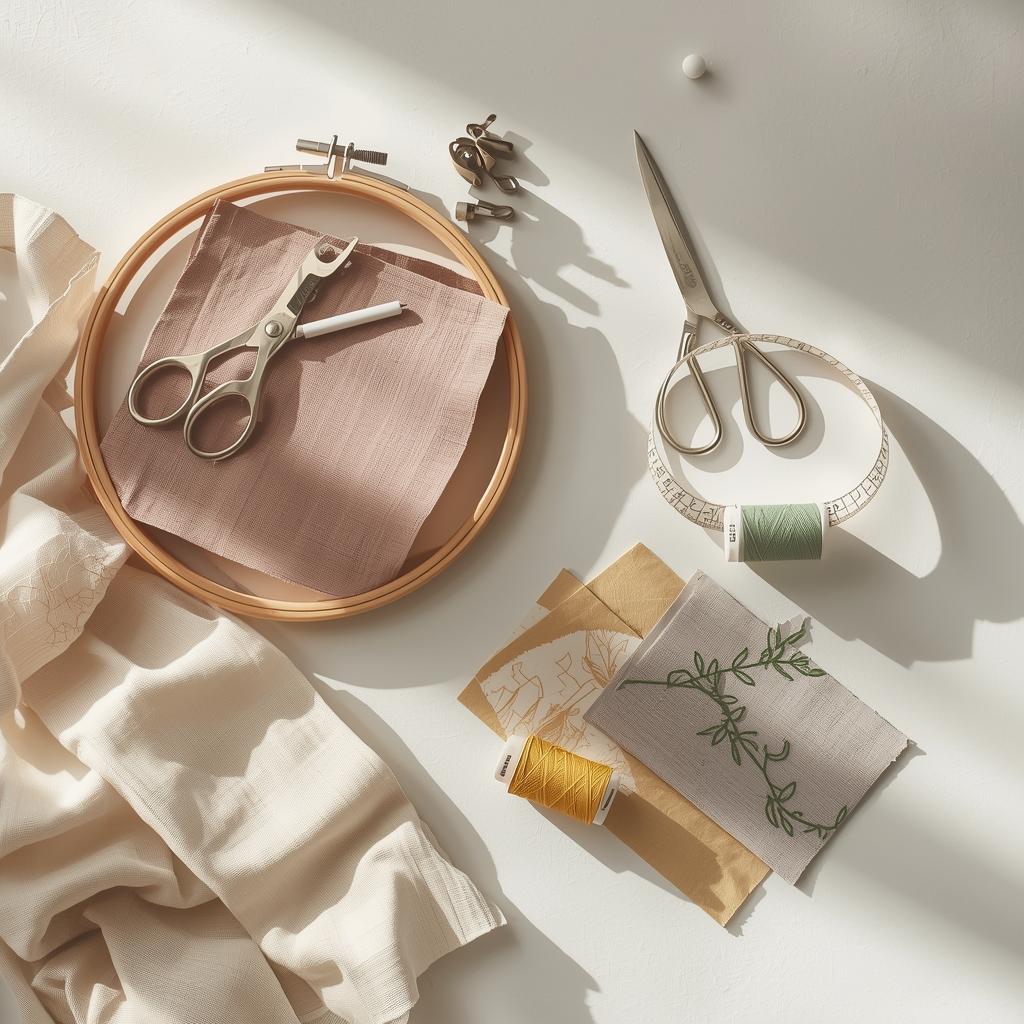
Select digital sewing patterns that provide finished dimensions, multiple size options, and layered pattern files in PDF format for easy printing at home or at a copy shop. For home projects check that patterns include seam allowance notes and fabric yardage for different widths. Common projects and recommended finished sizes include 18 x 18 inch and 20 x 20 inch square cushion covers, 12 x 18 inch lumbar cushions, placemats 13 x 19 inches, and table runners varying from 14 x 36 inches to 16 x 72 inches depending on table size.
When customizing scale or fit, apply a uniform scale factor to pattern pieces for proportional changes, or alter only height for items like curtains. Add 1/2 inch extra seam allowance for heavy fabrics and boxed corners for cushion depth. Quilted runners and placemats benefit from pre-washed fabrics, a cotton batting of 80/120 thread count for medium loft, and a bias binding finish for durability. For baskets and storage solutions use double-layered canvas and sew with a 1/2 inch seam allowance, then turn and topstitch 1/8 inch from edge for crisp edges. Lampshades require interfacing and heat-safe adhesives; verify electrical safety and use bulbs rated for enclosed fixtures.
Embroidered wall pieces add a handmade focal point. Translate a cushion motif to hoop art by resizing motifs in proportion to hoop diameter. For seasonal decor, use modular patterns that can be swapped with holiday colors. Fibr & Cloth Studio’s digital patterns include variation notes to adapt motifs and scale for different items.
Techniques, finishing, care, and community practice
Mindful crafting emphasizes measured, slow sewing and attention to finish. Use French seams for lightweight fabrics and flat-felled seams for heavy-use items. Finish raw edges with overcasting or bias binding depending on visibility. For professional results always press seams as sewn and again after finishing. Topstitch 1/8 inch from raw edge or seam for stability and visual crispness. Invisible zipper application creates clean cushion openings; place zipper foot and baste prior to final stitching to align teeth and fabric.
Care extends the life of handmade pieces. Most cotton and linen home decor items can be laundered in cold water on a gentle cycle and line dried or tumbled low. Test dyes with a damp white cloth before washing and pre-wash any fabric prone to shrinkage. For embroidered items turn inside out and use a protective laundry bag.
Gifting and packaging increase perceived value. Wrap handmade items in recycled kraft paper or a muslin bag with a printed care card and pattern credits. For workshops and community events plan kits with pre-cut components and clear visual instructions. A practical class size is eight to twelve participants for an evening cushion or hoop embroidery session. Troubleshooting common issues such as puckering, uneven stitches, or skipped stitches starts with checking needle type, thread tension, and whether fabric is stabilized.
Fibr & Cloth Studio provides downloadable pattern packages, curated DIY kits, and email support for pattern adjustments and troubleshooting. Use the shop’s size-inclusive patterns and recommended supply lists to achieve consistent results and to build a cohesive collection of handmade home pieces suitable for modern interiors.